Functional attribute: Belonging to electrical insulation materials, the core is used for cable insulation and high temperature protection.
Functional attribute: Belonging to electrical insulation materials, the core is used for cable insulation and high temperature protection.
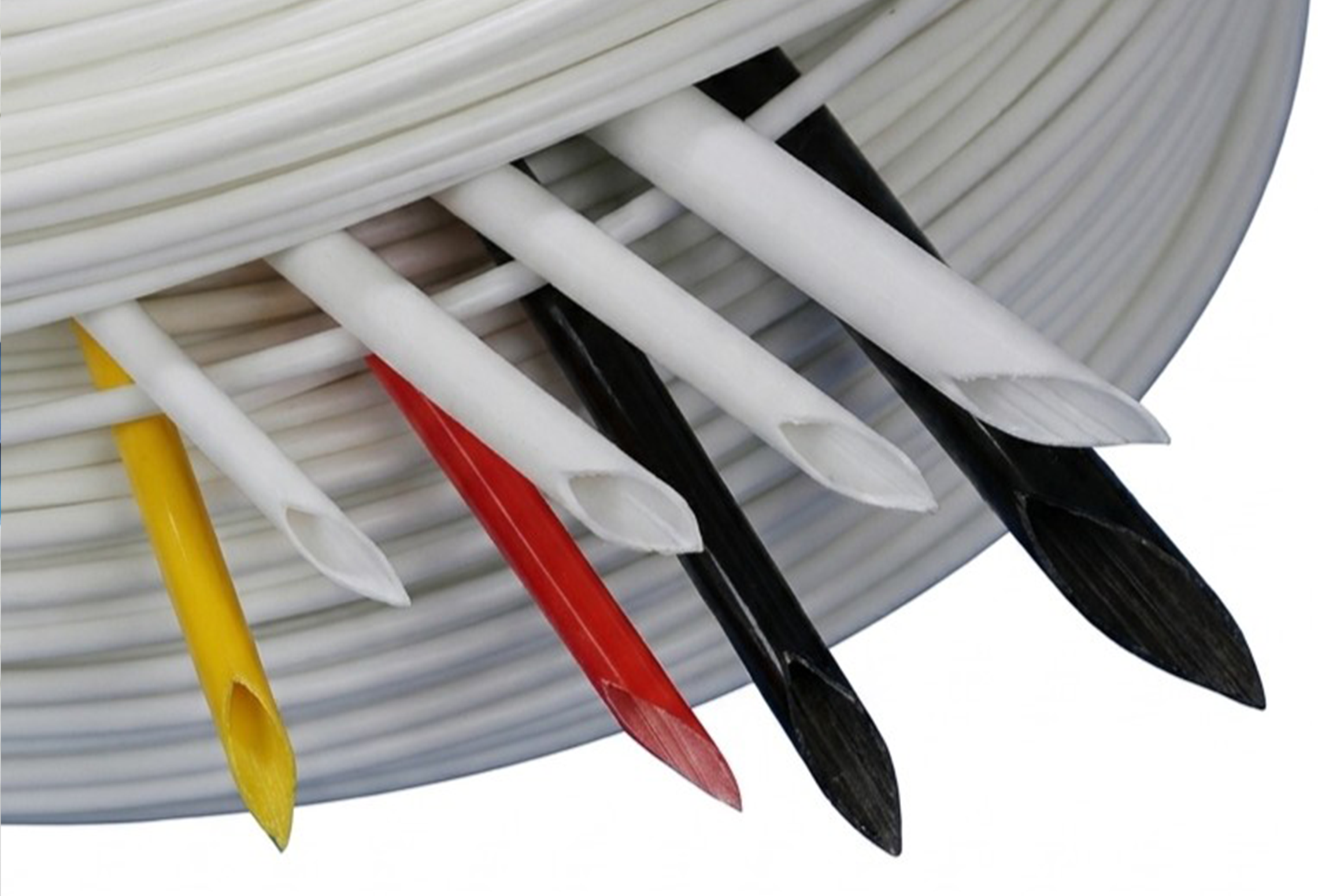

The silicone fiberglass sleeve is woven from alkali-free fiberglass and coated with high-temperature resistant silicone resin on the outer wall, which is then cured at high temperatures. It possesses excellent properties such as high temperature resistance, high insulation, self-extinguishing flame retardancy, flexibility and bend resistance, aging resistance, oil and solvent resistance, etc. It belongs to Class H insulation material and is widely used in home appliances, motors, transformers, new energy, electric heating equipment, and industrial control electronic wire harness insulation protection.
Basic performance parameters
Temperature range: -10℃~200℃. For long-term continuous operation, it can withstand short-term temperatures up to 230℃
Insulation level: H-grade insulation
Voltage rating: 1.5kV / 2.5kV / 4kV / 7kV, multiple specifications available
Flame retardant standard: UL94 VW-1 vertical self-extinguishing flame retardant
Environmental standards: Compliant with RoHS and REACH environmental requirements
Material structure: E-glass fiber braiding + silicone resin coating
Appearance color: standard white, customizable in red, yellow, blue, black, green, and other colors
Physical characteristics: Good flexibility, capable of being bent arbitrarily, resistant to twists and turns, wear-resistant and tear-resistant, and will not become brittle, crack, or delaminate even after long-term use at high temperatures
Electrical properties: volume resistivity ≥10¹⁴Ω·cm, high dielectric strength, stable insulation performance
Weather resistance: resistant to aging, acid and alkali, engine oil, and chemical solvents, with a long service life
Scope of application
Suitable for high-temperature insulation, wire harness protection, flame retardant and thermal insulation scenarios in household appliances, induction cookers, electric heating equipment, motors, transformers, new energy vehicle wire harnesses, industrial control equipment, instruments and meters, PCB circuit boards, lighting wire materials, etc.
